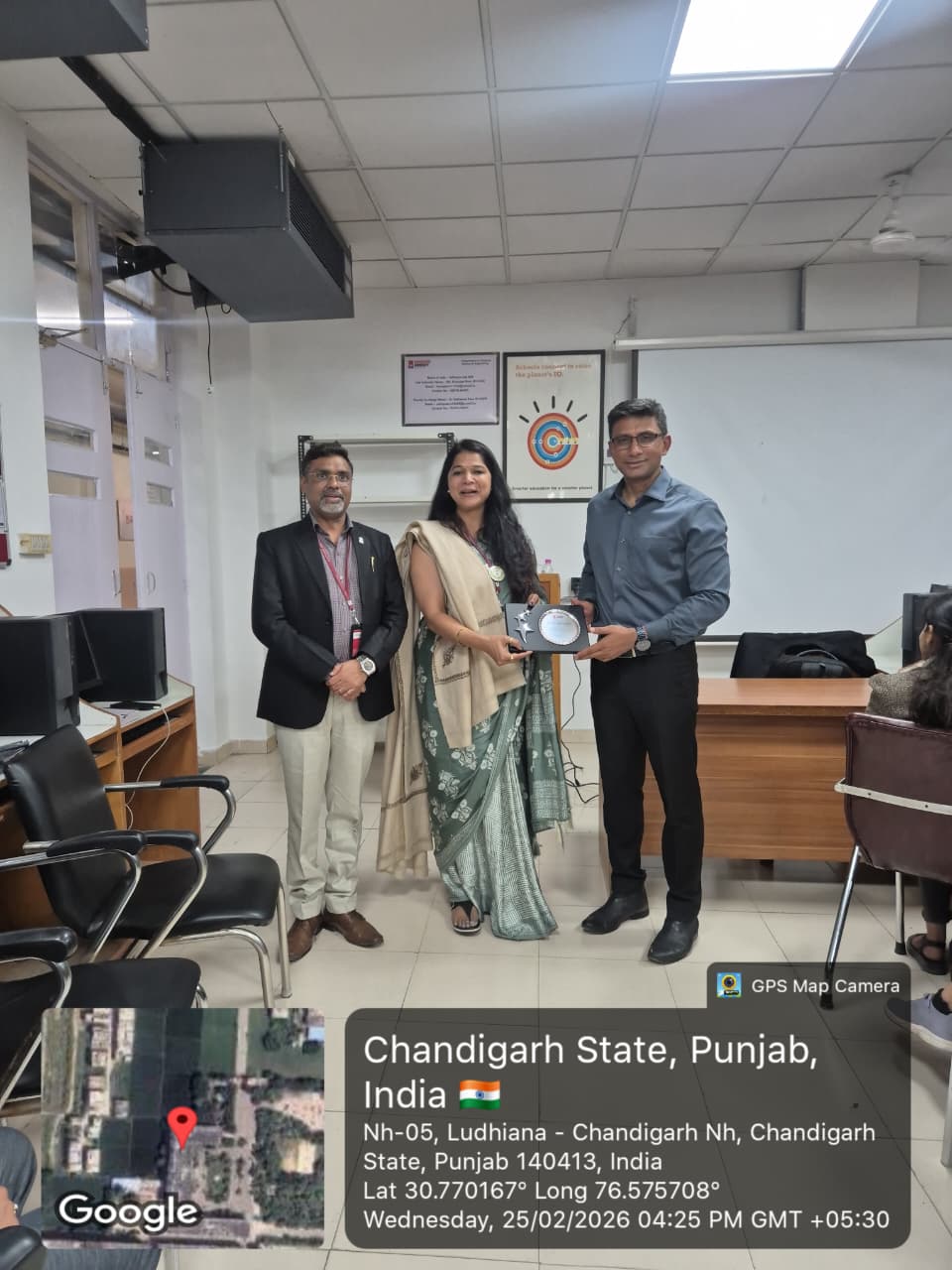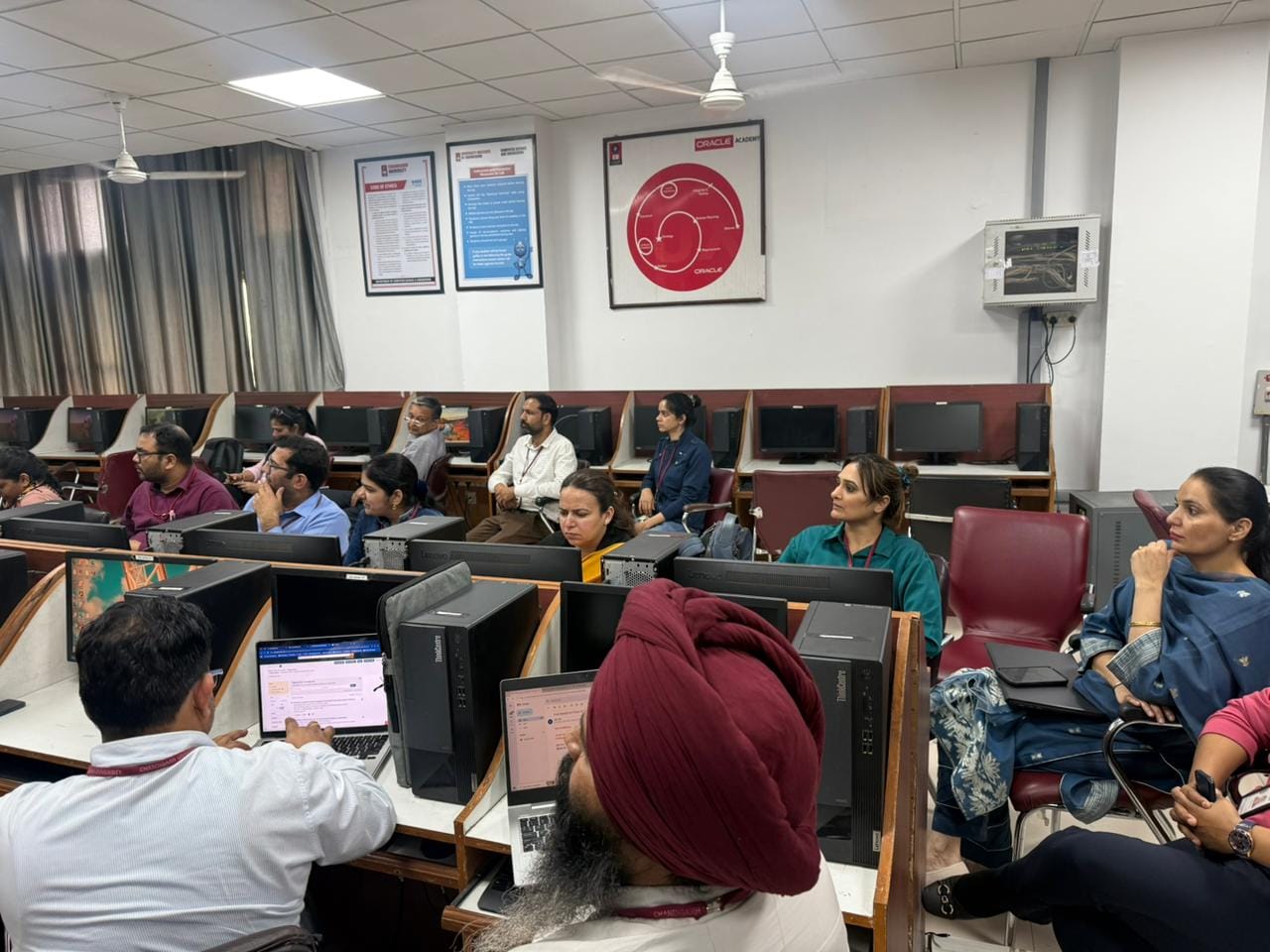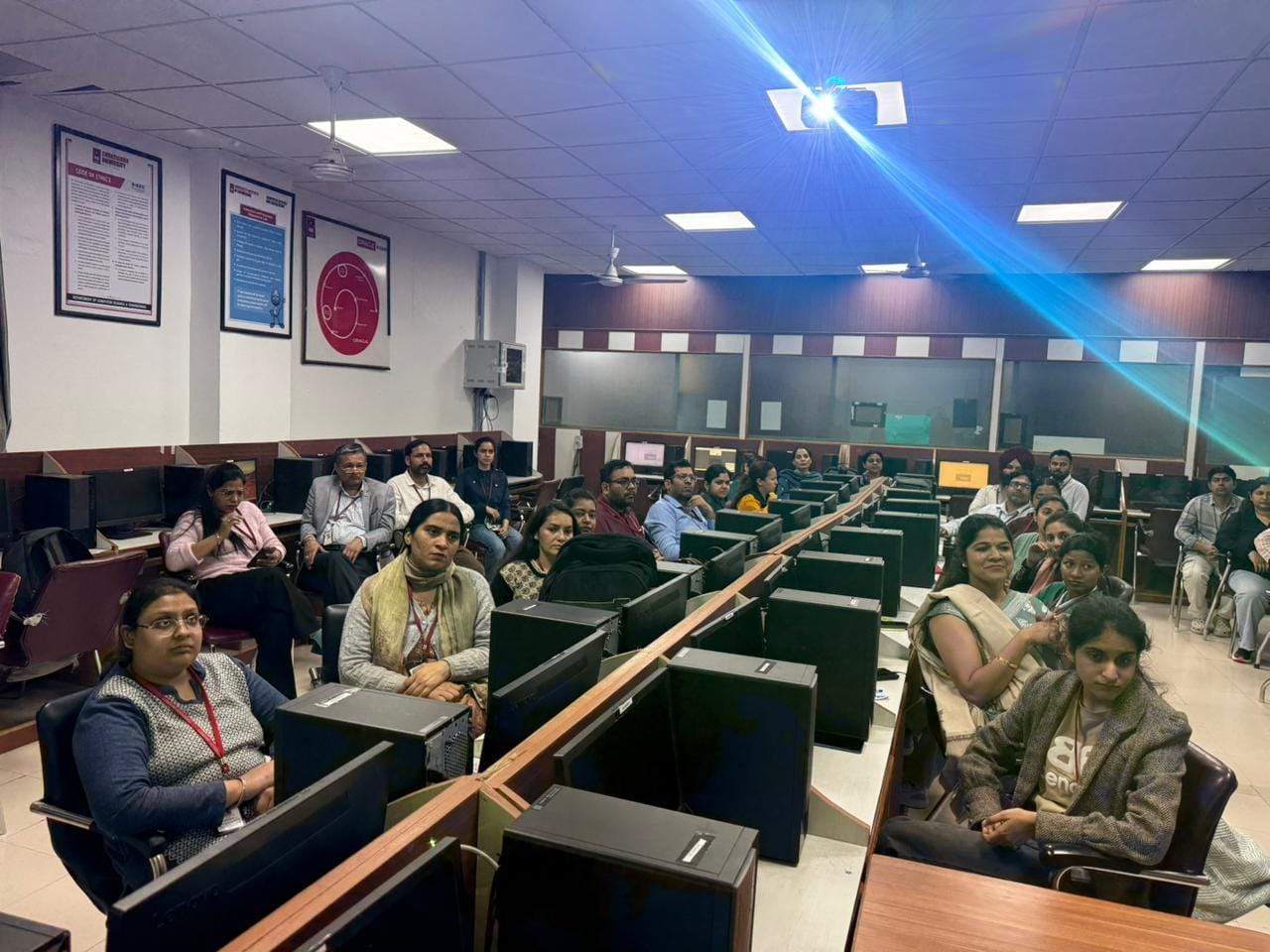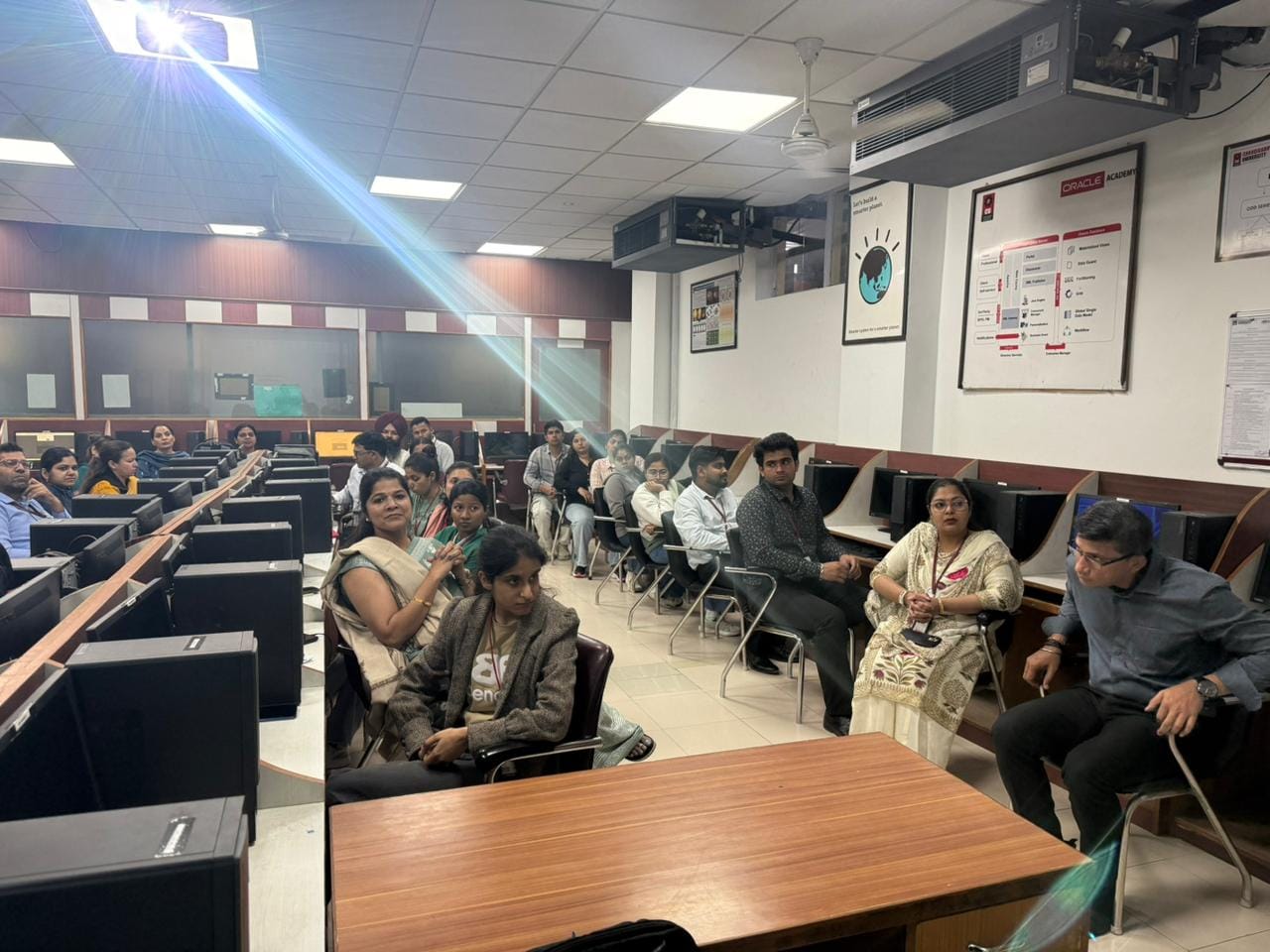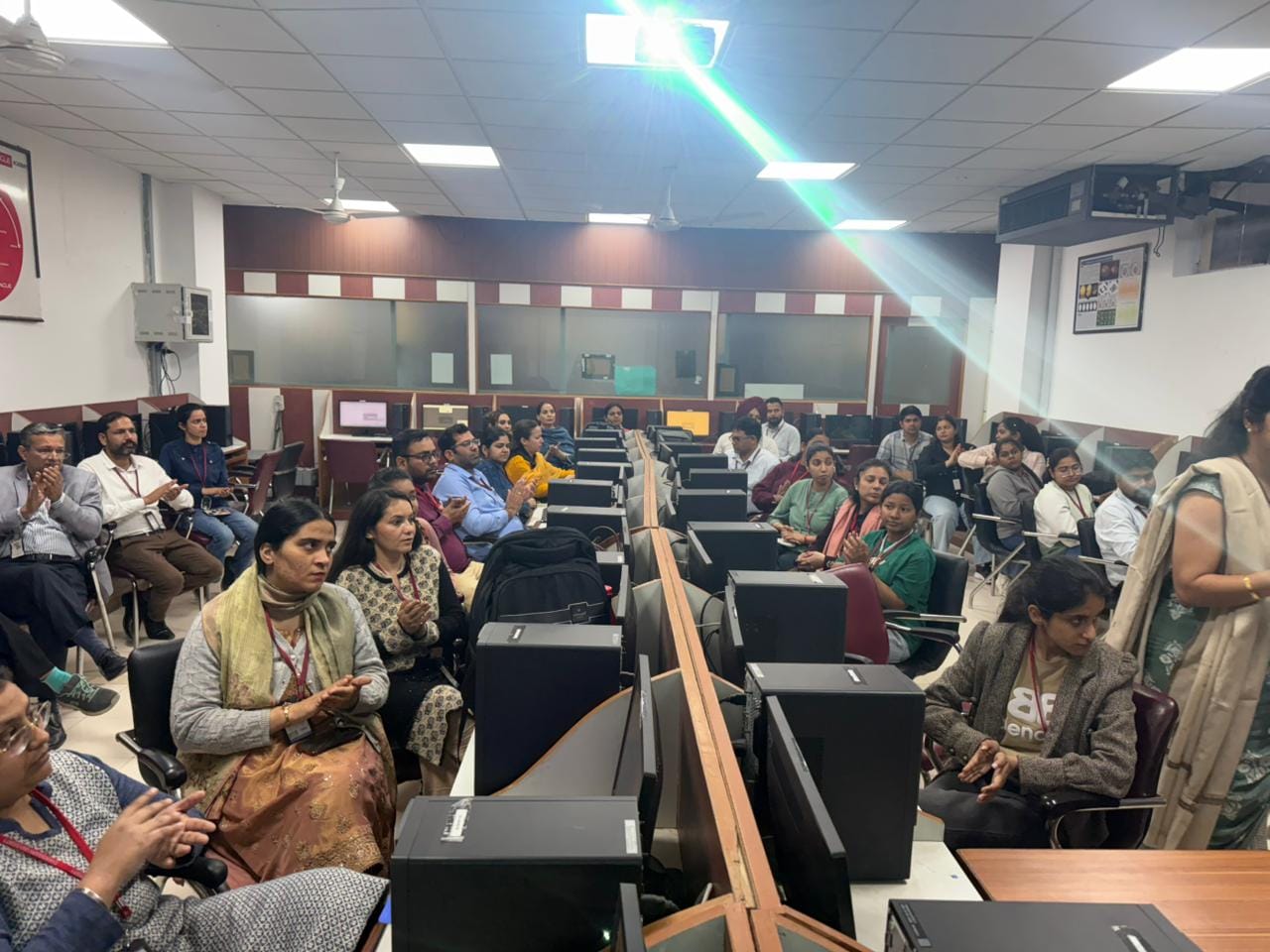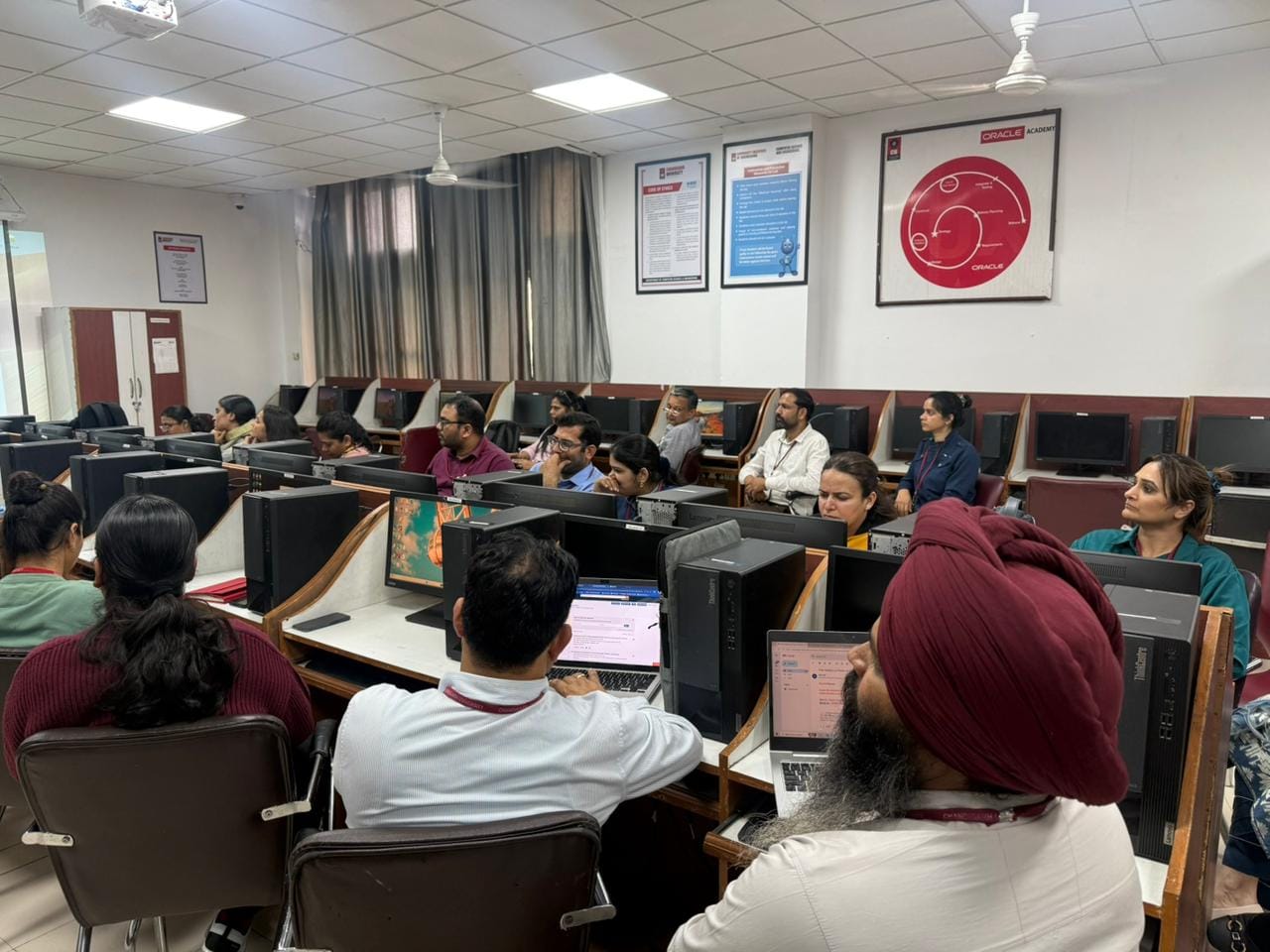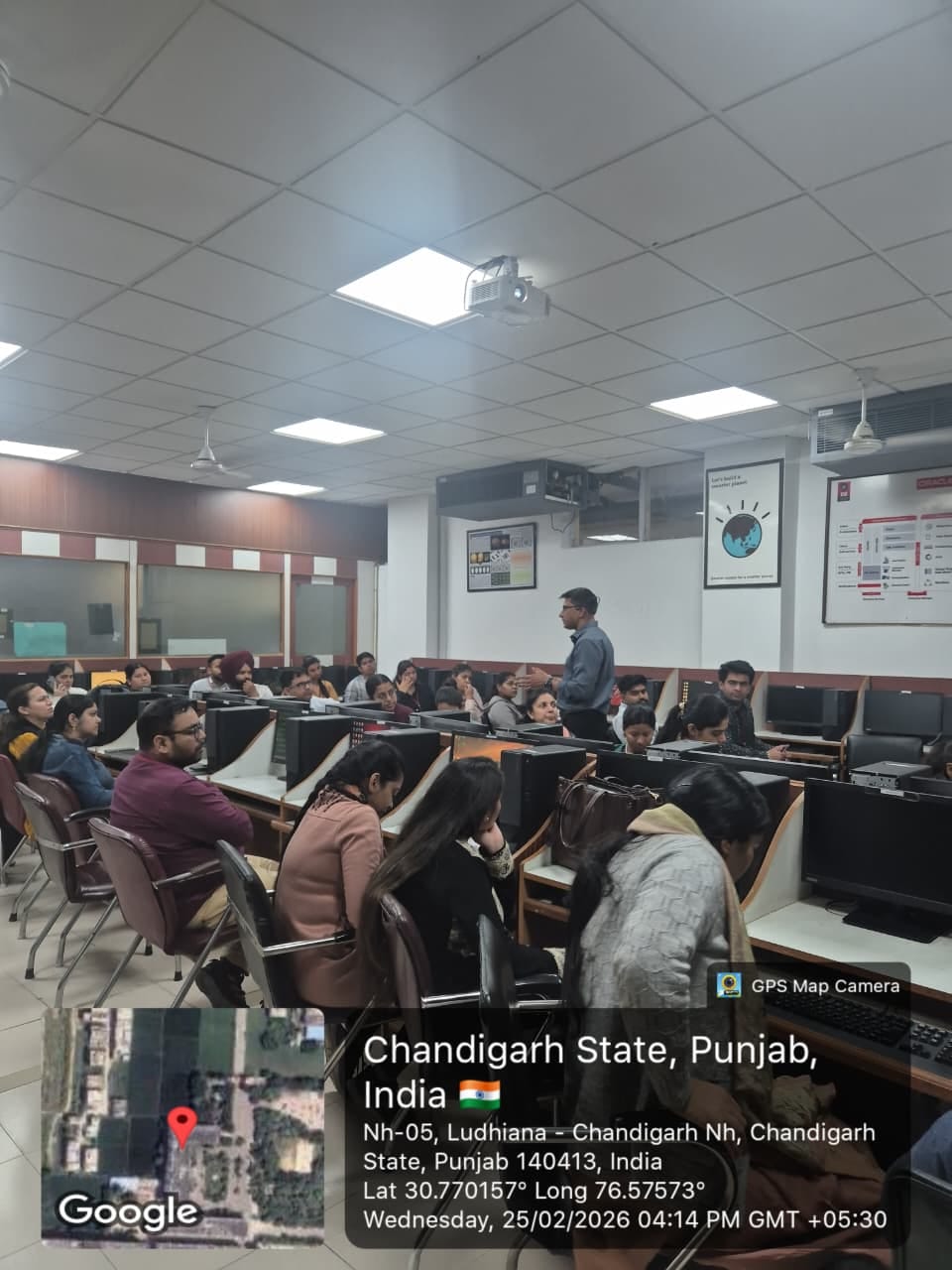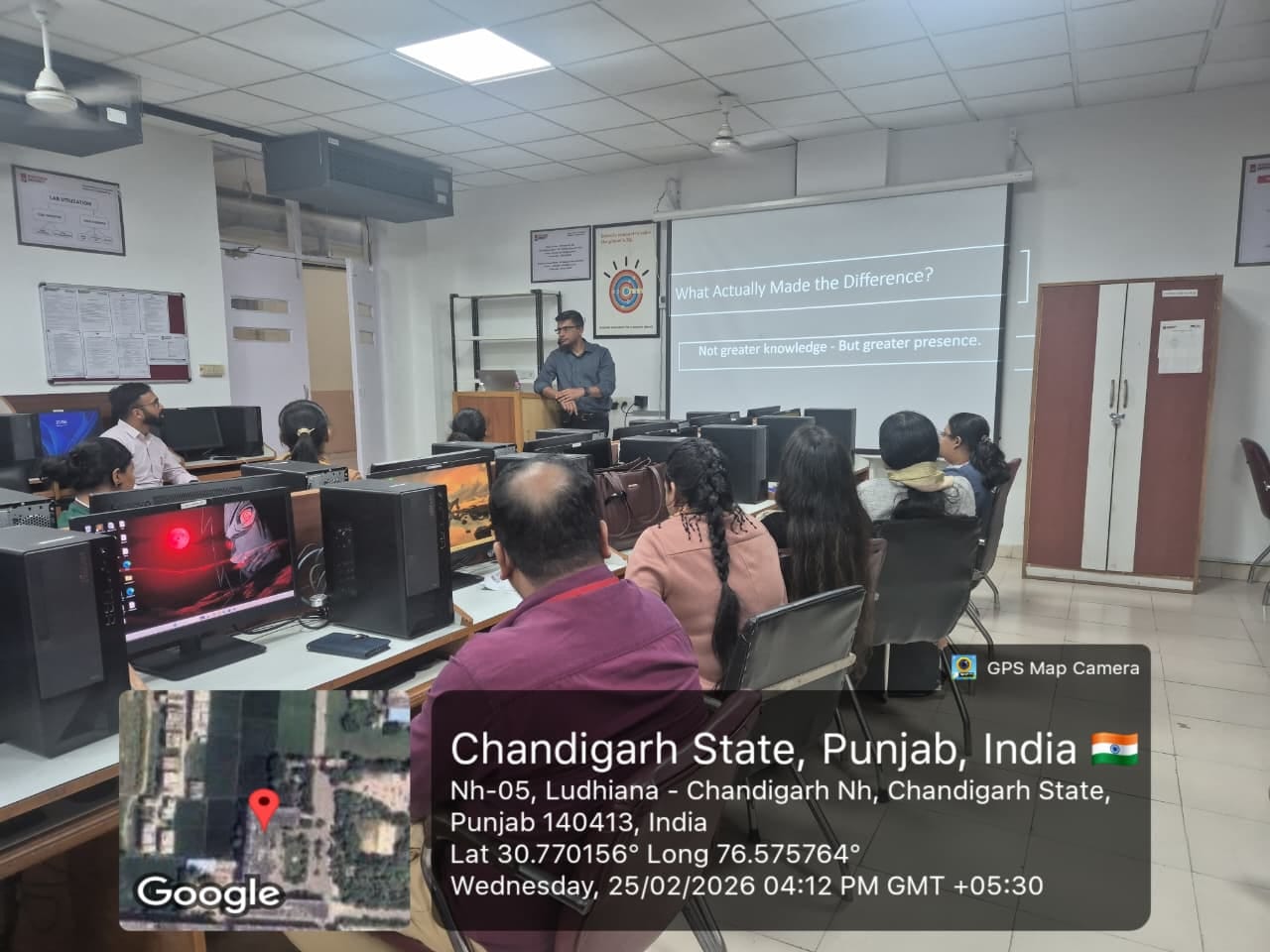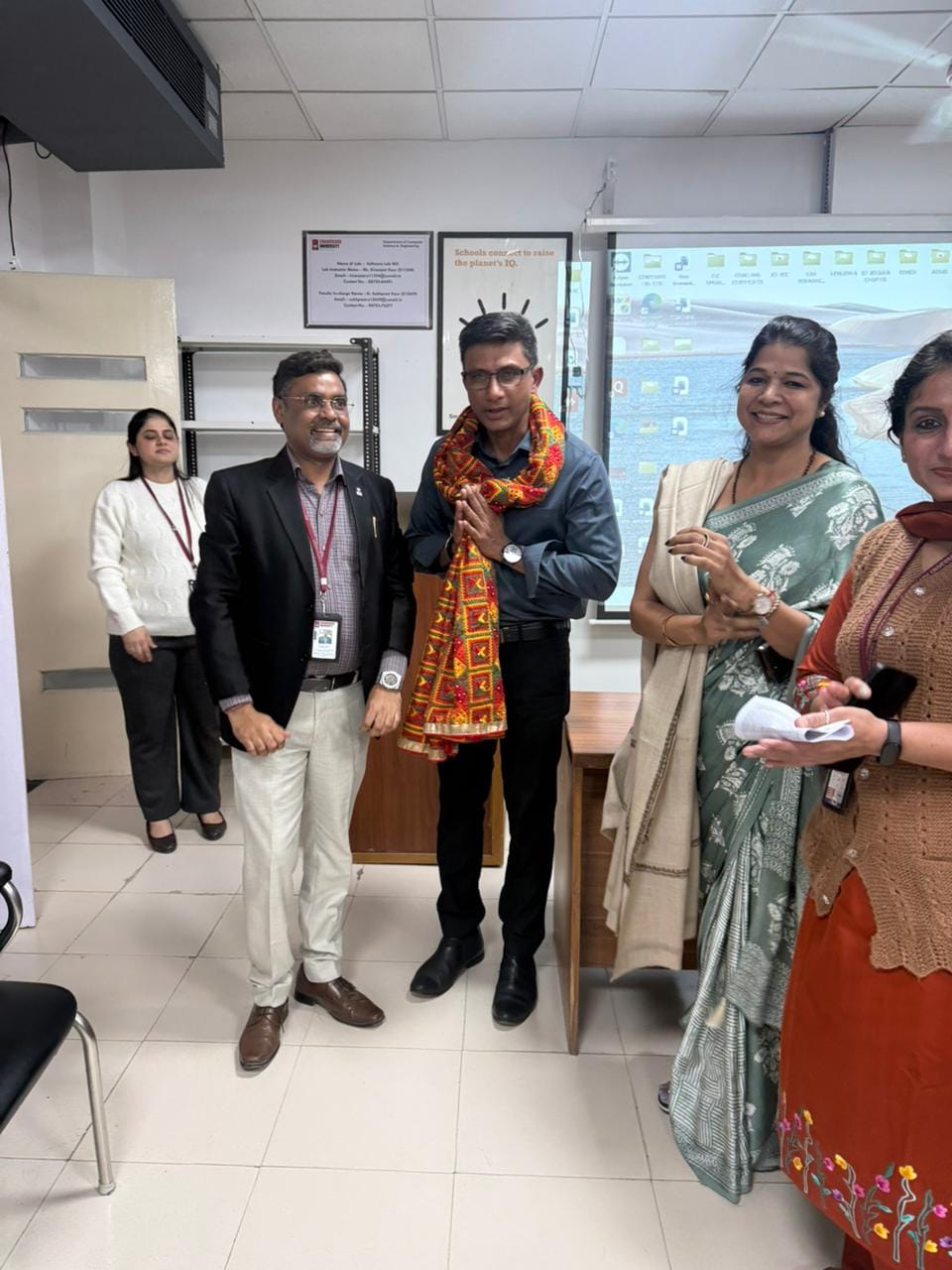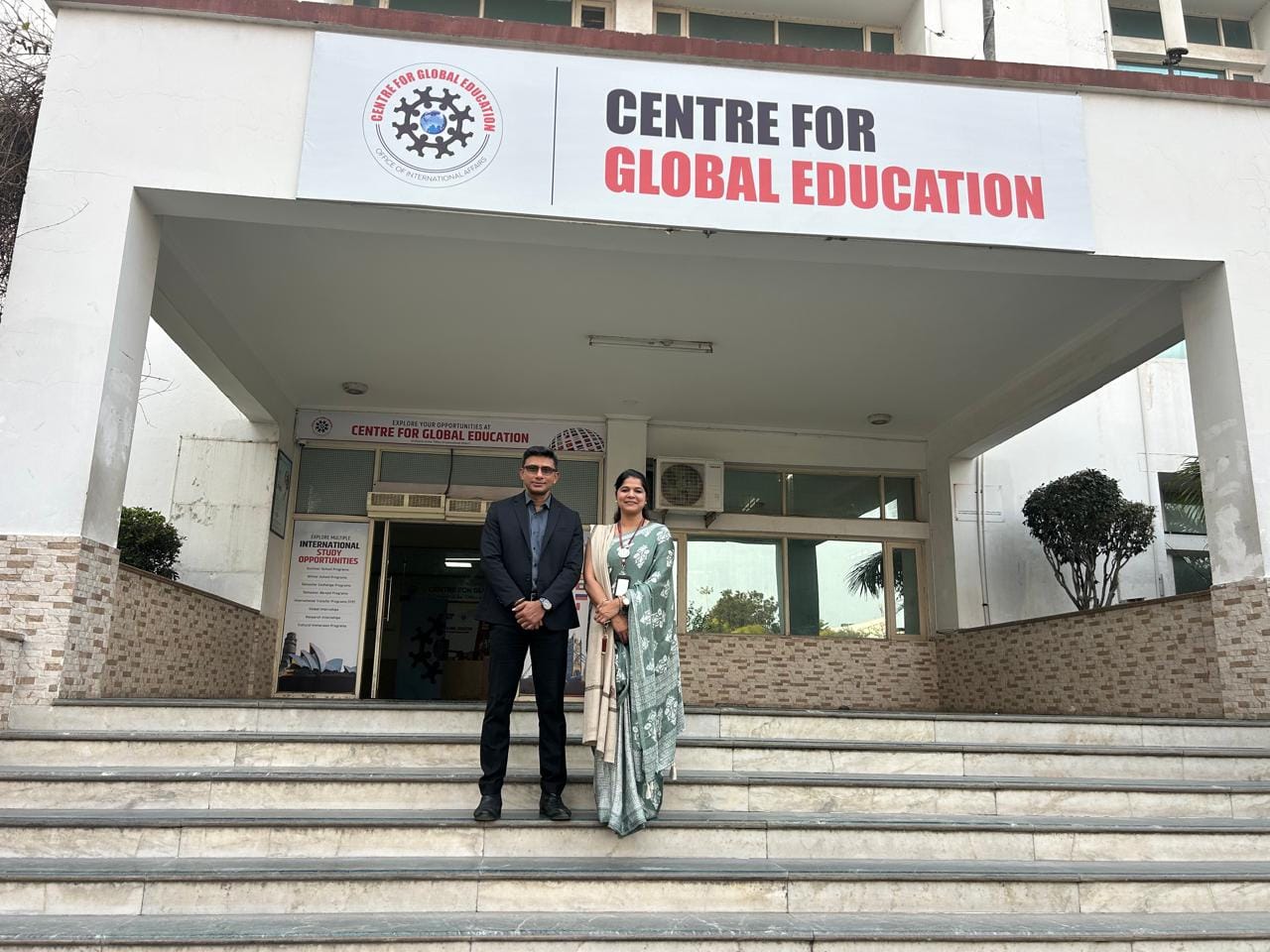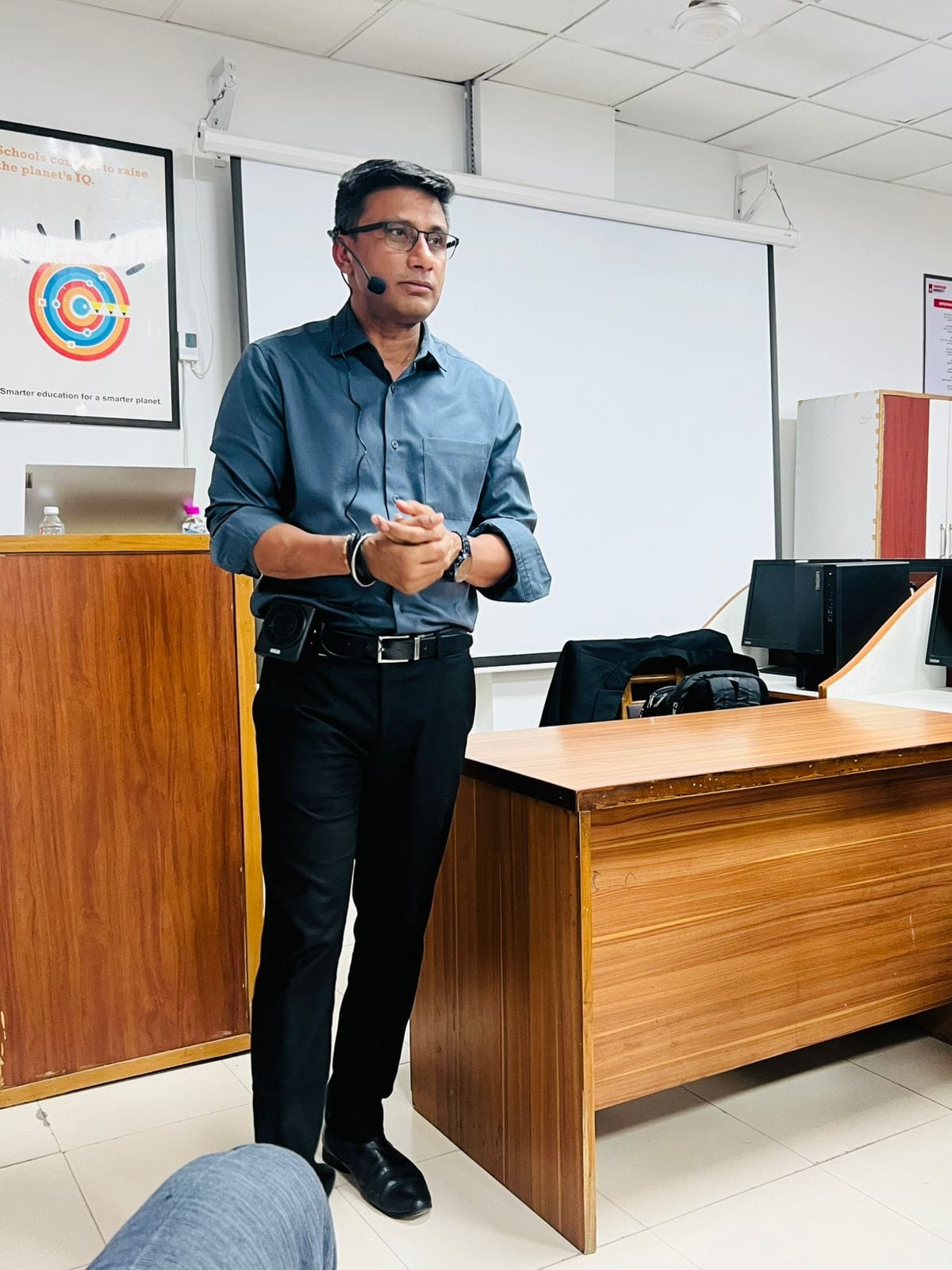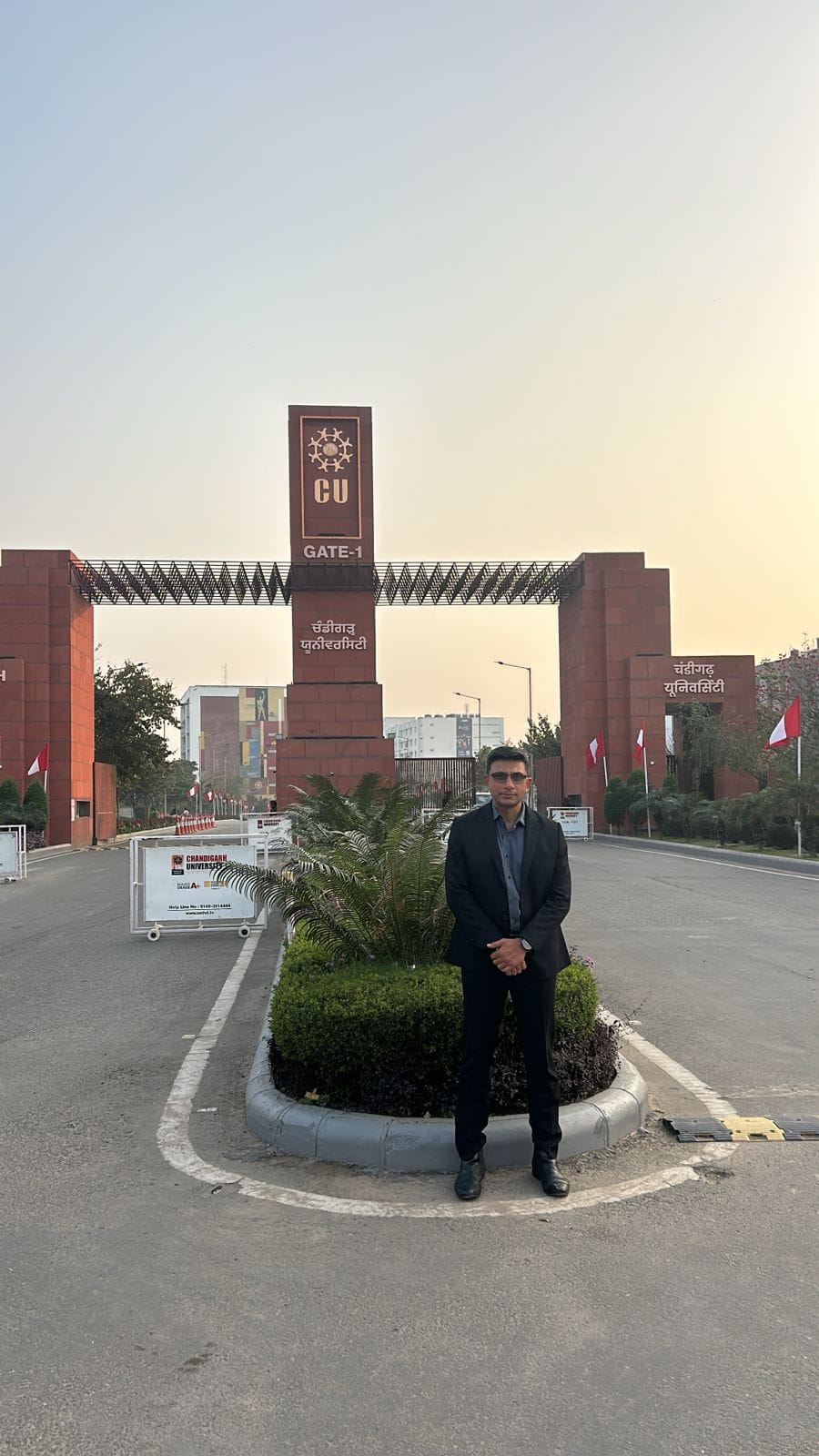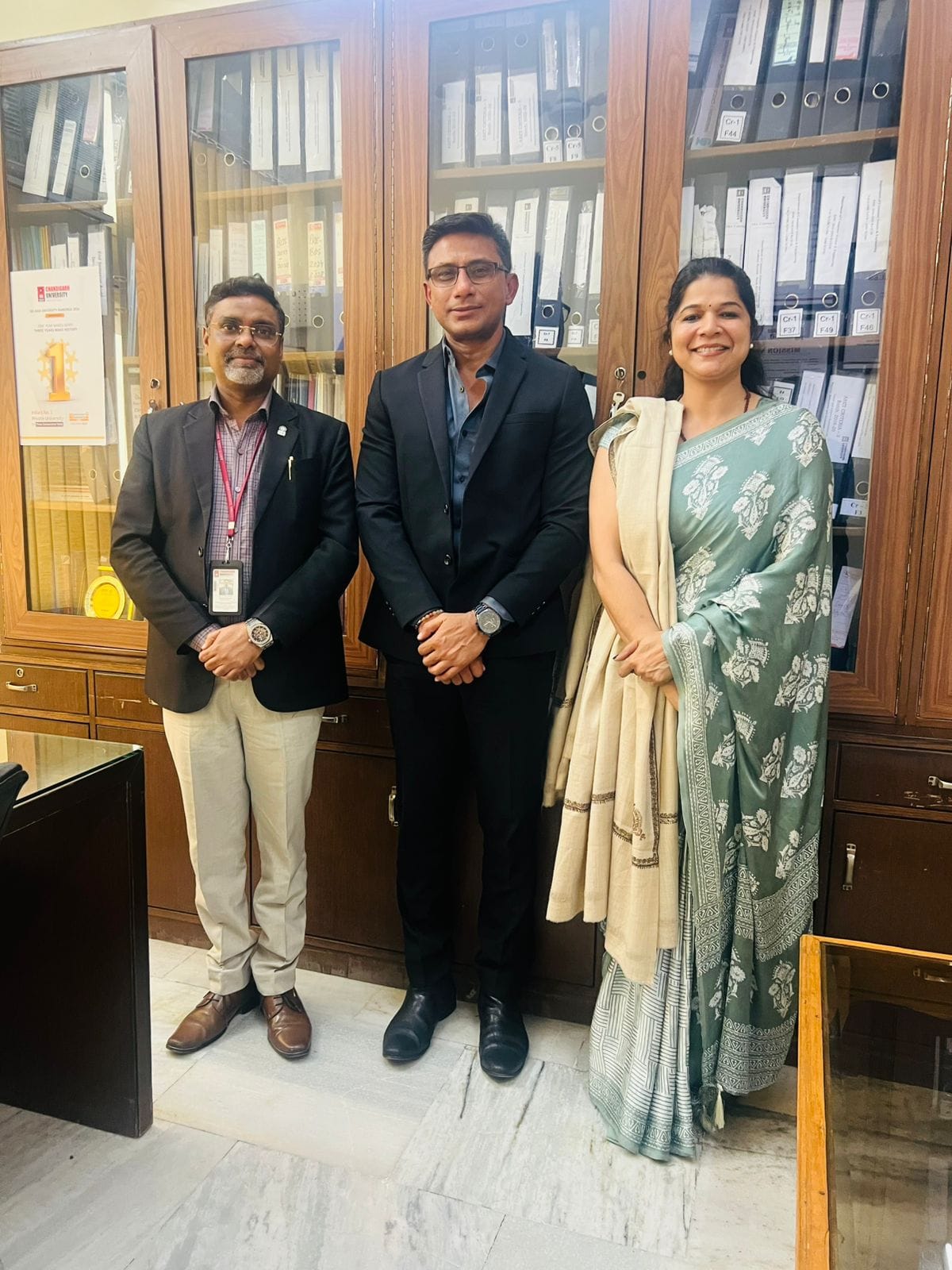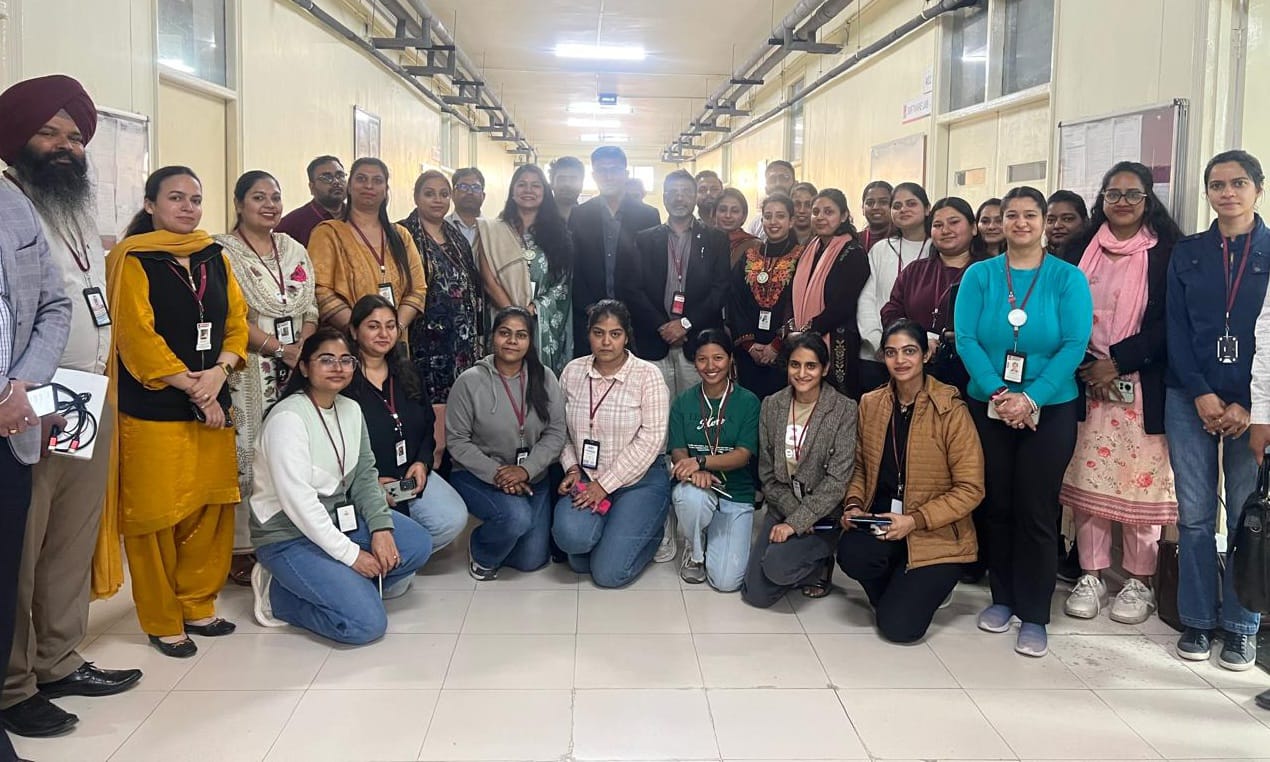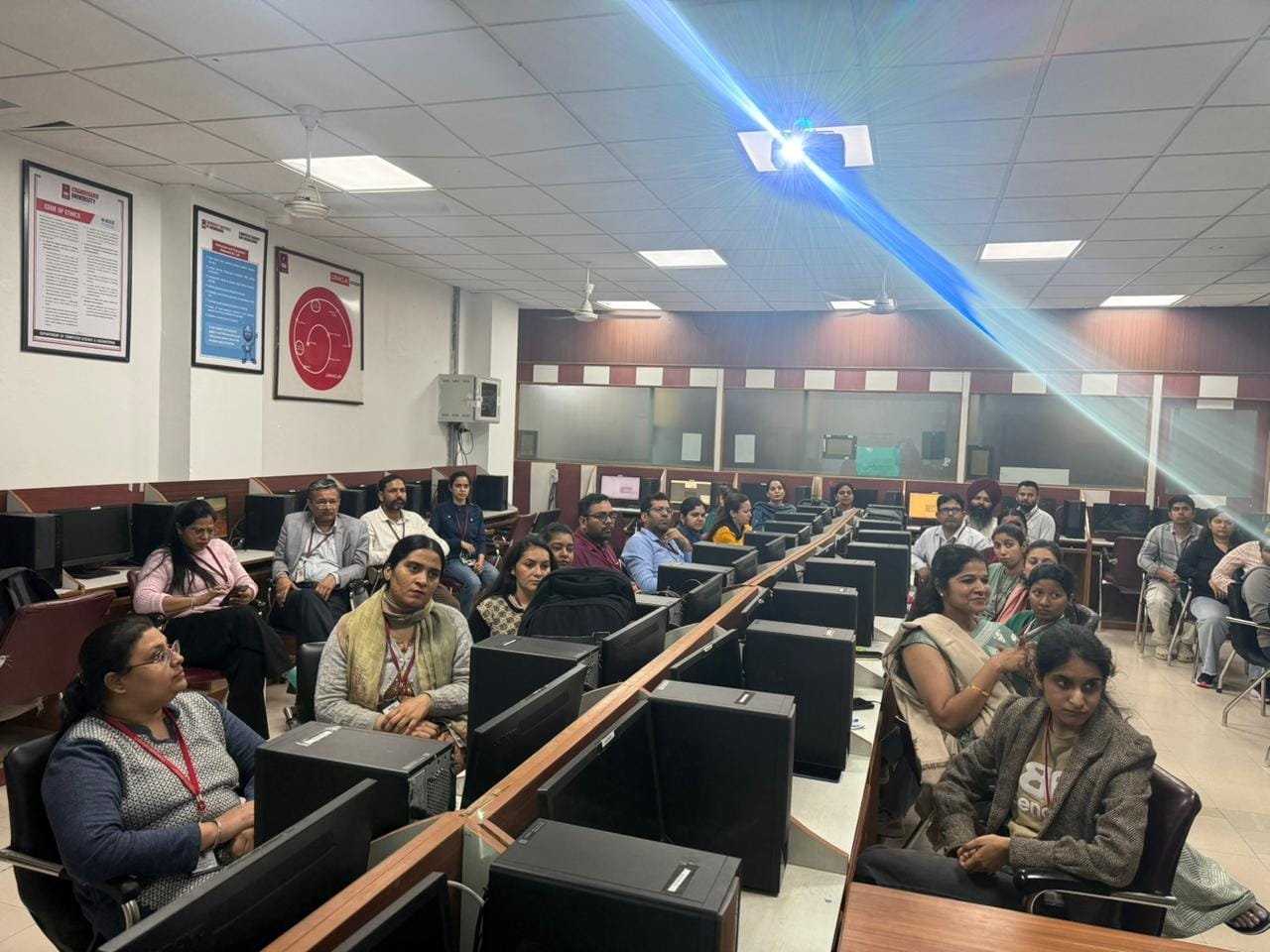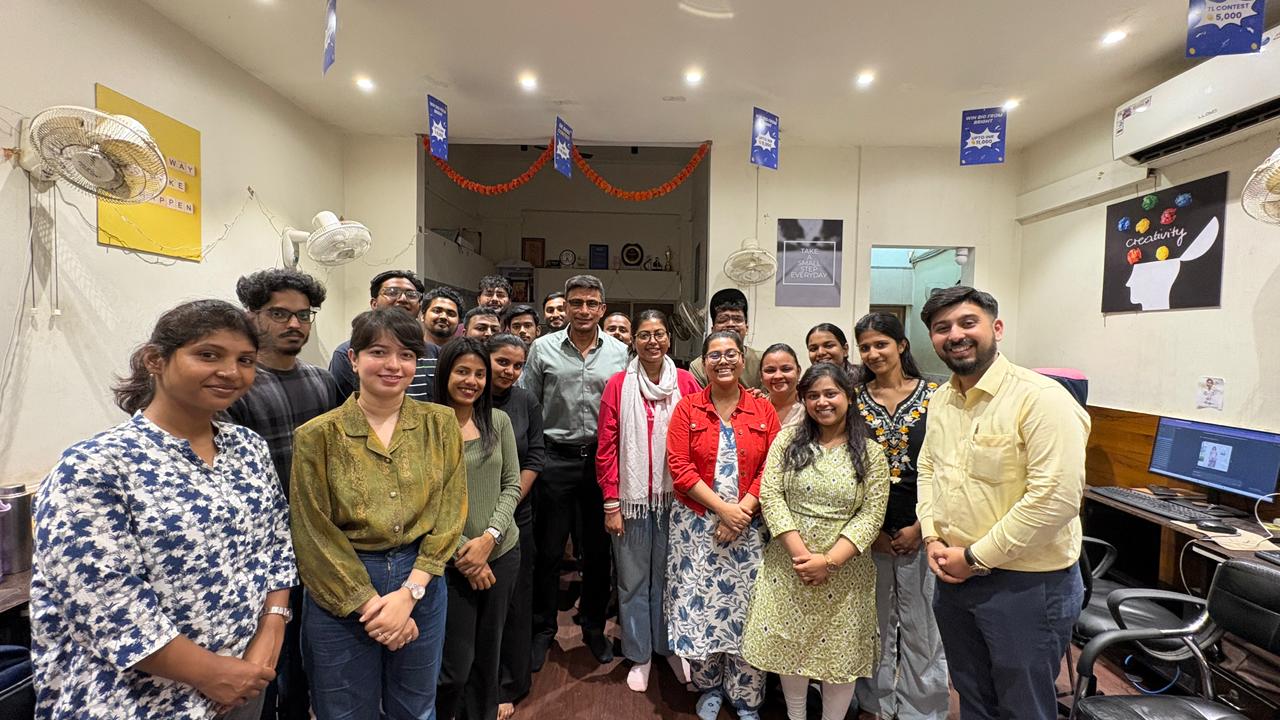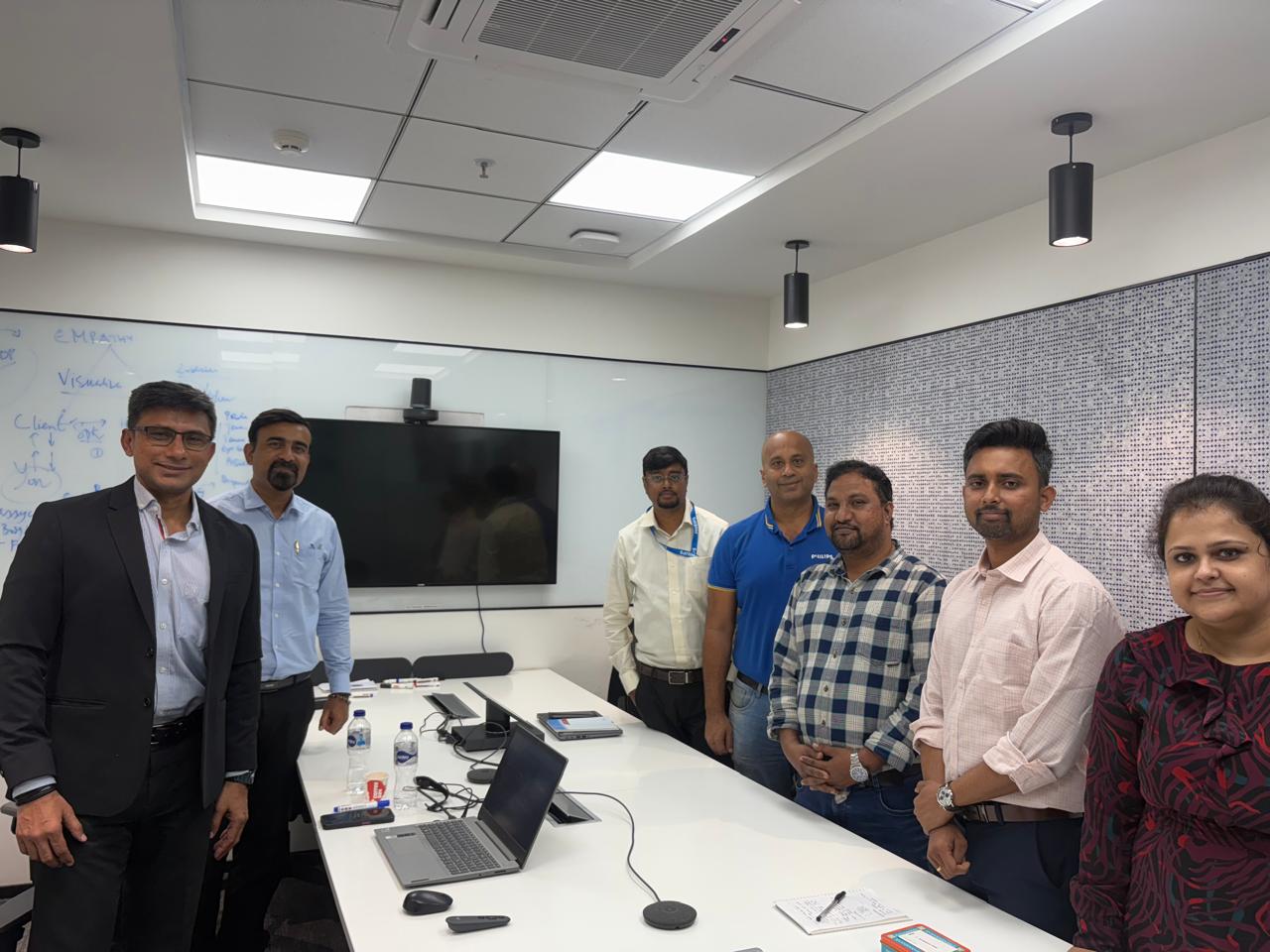
That was the central theme of my recent session at Chandigarh University.
When I sat with the faculties from the Computer Science department, I asked them a simple question:
There was a brief pause.
Then the answers came: Confidence. Clarity. Composure. Articulation. Listening skills.
Exactly.
In the world of work, technical competence may open the door. But communication and executive presence are often what help someone get selected, and later, promoted.
During the workshop, we reflected on real workplace patterns many of us have seen:
- The brilliant developer who cannot pitch ideas convincingly
- The capable team lead who struggles to influence
- The high performer overlooked because of low visibility
The conversation went beyond presentation skills. It moved toward deeper capabilities:
- Structuring thoughts under pressure
- Listening with intent
- Projecting confidence without arrogance
- Building credibility in rooms that matter
What I appreciated most was the faculties’ openness to introspection. The real question we explored was not “Are students technically strong?” It was “Are we preparing them to sustain and lead in real environments?”
A few reflections we left with:
- 1️⃣ Communication is a career enabler.
- 2️⃣ Executive presence is not a personality trait, it is a cultivated discipline.
- 3️⃣ Classrooms must reflect workplace realities.
Grateful to Ruchika Gupta and Puneet Kumar at Chandigarh University for the opportunity and the meaningful engagement.
When academia aligns with industry expectations, we don’t just create graduates. We shape professionals.
Would love to hear your perspective — what, in your experience, truly differentiates one candidate from another?